

Colonial Country Club Landscape Services
Sign up now for autumn service and enjoy a vibrant, worry-free landscape all season long.
Get a Free QuoteLandscape Services Tailored for Colonial Country Club, Florida
Expert Lawn Care for Your Unique Florida Landscape
Colonial Country Club, nestled in the heart of Fort Myers, experiences a subtropical climate marked by humid summers, frequent afternoon thunderstorms, and mild, dry winters. These conditions, combined with the area's sandy soils and proximity to natural preserves like Six Mile Cypress Slough, create unique challenges for residential lawns. Homeowners in neighborhoods such as The Preserve and The Enclave often contend with drought stress during the hottest months, as well as soil erosion on sloped lots bordering the golf course or water features. Shaded areas from mature palms and oaks can also make it difficult for turfgrass to thrive, requiring specialized care and plant selection. For more information about the community and its amenities, visit the Colonial Country Club official website.
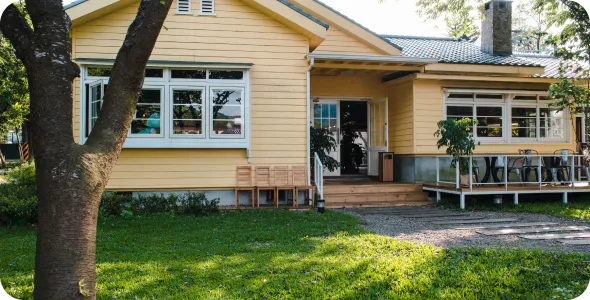
Our Colonial Country Club Landscaping & Yard Care Services
Colonial Country Club Gardening Services
Colonial Country Club Yard Clean Up
Why Choose Colonial Country Club Landscape Services
Colonial Country Club Homeowners Trust Us

Expert Lawn Maintenance
-
Reliable Irrigation Solutions
-
Seasonal Clean-Up Services
-
Professional Tree and Shrub Care
-
Pest and Weed Control
-
Consistent Quality Assurance
-
Responsive Customer Support
Contact Your Local Colonial Country Club DPW or Parks Department for Green Waste Info
Colonial Country Club is a residential community within the City of Fort Myers, Florida, in Lee County. Yard waste collection in this area operates year-round due to Southwest Florida's continuous growing season. Residents should follow these green waste disposal guidelines:
- Place grass clippings, leaves, and organic debris curbside in biodegradable paper bags or loose bundles no longer than four feet
- Brush and branches must be cut to manageable lengths and stacked neatly at the curb
- Do not dispose of lawn waste in storm drains, streets, or regular household trash — doing so violates stormwater management regulations under the Clean Water Act (EPA)
- Commercial landscapers must register with Lee County Solid Waste and may be subject to separate disposal fees
Composting alternatives are available through Lee County's solid waste facilities, where residents can drop off bulk yard waste and obtain free mulch when available.
City of Fort Myers Public Works
2200 Second Street, Fort Myers, FL 33901
Phone: (239) 321-7000
Official Website: City of Fort Myers Public Works
The Colonial Community Development District also maintains infrastructure and common-area landscaping within the community and can provide guidance on district-specific waste and maintenance protocols.
Colonial Community Development District
219 East Livingston Street, Orlando, FL 32801
Phone: (407) 841-5524
Official Website: Colonial Community Development District
Lawn Care Regulations & Permits in Colonial Country Club, FL
Florida's fertilizer regulations are among the most comprehensive in the nation. Lee County enforces a mandatory fertilizer blackout period from June 1 through September 30, during which nitrogen and phosphorus fertilizers may not be applied to lawns. Additional state and local requirements include:
- Phosphorus ban: Phosphorus application is prohibited unless a soil test demonstrates a deficiency
- Buffer zones: No fertilizer may be applied within 10 feet of any water body; a 3-foot "no-fertilizer" zone applies to impervious surfaces
- Nitrogen limits: No more than 2 pounds of nitrogen per 1,000 square feet per year, with at least 50% in slow-release form
- Deflector shields: Required on all broadcast spreaders to prevent fertilizer from reaching waterways or impervious surfaces
Pesticide applicators must hold a valid license through the Florida Department of Agriculture and Consumer Services (FDACS). Outdoor irrigation is regulated by the South Florida Water Management District, which typically enforces a two-day-per-week watering schedule with restrictions against irrigation between 10:00 AM and 4:00 PM. Fort Myers noise ordinances limit powered lawn equipment operation to 7:00 AM–9:00 PM on weekdays and 8:00 AM–9:00 PM on weekends.
City of Fort Myers Building Permitting and Inspections
1825 Hendry Street, Fort Myers, FL 33901
Phone: (239) 321-7910
Official Website: City of Fort Myers Building Permitting and Inspections
What Streets and Subdivisions Do We Serve in Colonial Country Club, FL?
Colonial Country Club, a master-planned community in Fort Myers, encompasses several distinct streets and subdivisions, each presenting unique lawn care considerations:
- Homes along Colonial Country Club Boulevard near the main entrance: These properties feature Immokalee fine sand soils with rapid drainage. St. Augustinegrass dominates, and HOA covenants require maintained turf edges. Lots are moderate-sized with full sun exposure and minimal tree canopy.
- Jasmine Pointe subdivision: Newer construction with compacted fill soils requiring regular core aeration. Bahiagrass and Zoysiagrass are common. Properties sit near retention ponds, requiring strict fertilizer buffer zone compliance.
- Orchid Cove area near the golf course: Mature landscaping with significant shade from live oaks and royal palms. Shade-tolerant Palmetto St. Augustine performs best here. Proximity to irrigated fairways can elevate humidity and fungal disease pressure.
- Magnolia Landing along the western perimeter: Lots border conservation wetlands, mandating a 25-foot natural buffer. Sandy soils with seasonal high water tables require careful irrigation scheduling. Native plantings are encouraged adjacent to preserve areas.
- Royal Palm Drive near the community pool and clubhouse: High-visibility properties with strict HOA aesthetic standards. Floratam St. Augustine is predominant. Underground utility density limits deep aeration, and irrigation systems require backflow prevention certification.
- Ibis Way and surrounding cul-de-sacs: Smaller lot sizes with mixed sun and shade conditions. Mature sabal palms create dappled light favoring shade-adapted cultivars. Properties built in the early 2000s may have legacy soil compaction from original construction grading.
- Preserve View Drive backing to natural areas: These homes face unique challenges from wildlife activity and wetland proximity. Chinch bug pressure is elevated in sunny front yards, while rear yards require low-input native groundcovers to comply with environmental buffer requirements.
Partnering With Colonial Country Club's Conservation/Environmental Department for Sustainable Landscaping
Environmental stewardship in Colonial Country Club is guided by Fort Myers municipal planning and Lee County environmental regulations. Properties near wetlands, retention ponds, and conservation preserves must comply with Florida's Environmental Resource Permit requirements. Sustainable landscaping practices include:
- Integrating Florida-native plants such as muhly grass, coontie, and blanket flower to support pollinators and reduce irrigation demand
- Installing rain gardens to manage stormwater runoff and filter nutrients before they reach waterways
- Using organic mulch at two-to-three-inch depth to retain soil moisture and suppress weeds
- Applying compost-based soil amendments instead of synthetic fertilizers during the summer blackout period
City of Fort Myers Planning
1825 Hendry Street, Fort Myers, FL 33901
Phone: (239) 321-7920
Official Website: City of Fort Myers Planning
Coordination with the Florida Department of Environmental Protection ensures compliance with state water quality standards and wetland protection statutes.
Top Colonial Country Club Lawn Problems (and How We Solve Them)
Colonial Country Club's USDA Hardiness Zone 10a climate and sandy soils create specific turf challenges:
- Chinch bug infestations — Southern chinch bugs devastate St. Augustinegrass during hot, dry periods. Integrated pest management using resistant cultivars like Floratam and targeted insecticidal soap applications minimizes chemical use.
- Large patch disease — This fungal condition (Rhizoctonia solani) thrives in warm, humid conditions during fall and spring transitions. Reducing nitrogen applications and improving air circulation through proper mowing height (3.5–4 inches) limits spread.
- Nematode damage — Root-knot and sting nematodes are prevalent in sandy Lee County soils. Soil testing through the University of Florida IFAS Extension Nematode Assay Laboratory guides management strategies.
- Drought stress and heat damage — Extended dry seasons stress turf despite irrigation. Deep, infrequent watering (¾ inch per application) encourages deeper root development.
- Gray leaf spot — This fungal disease targets St. Augustinegrass during summer rainy seasons. Avoiding nitrogen fertilization during peak humidity and selecting resistant cultivars are primary controls.
- Take-all root rot — Caused by Gaeumannomyces graminis, this disease thrives in poorly drained, alkaline microsites. Soil acidification with manganese sulfate and improved drainage are recommended by IFAS research.
What Makes Lawns in Colonial Country Club Different From the Rest of Florida?
Colonial Country Club's location in Southwest Florida's coastal plain creates horticultural conditions distinct from other parts of the state:
- Soil composition: Predominantly Immokalee and Myakka fine sands — acidic, nutrient-poor soils with rapid percolation rates requiring frequent but light fertilization. The USDA Web Soil Survey confirms organic matter content below 1% in most residential lots.
- Growing season: A 365-day growing season with no frost risk in most years, unlike North and Central Florida communities that experience periodic freezes.
- Hurricane zone: Located in a Category 5 hurricane risk zone, lawns must recover from salt spray deposition, flooding, and debris damage following tropical weather events.
- Water table: Seasonal high water tables in Lee County can rise to within 12–18 inches of the surface during the wet season (June–October), affecting root health and requiring careful irrigation management.
- Pest pressure: Year-round warm temperatures sustain continuous pest cycles, including fire ants, mole crickets, and tropical sod webworms — pests less prevalent in Florida's northern regions.
The National Weather Service - Miami/South Florida provides forecasts critical for timing fertilizer applications and irrigation adjustments.
Supporting Local Events in Colonial Country Club With Lawn Expertise
Community engagement within Colonial Country Club and the broader Fort Myers area includes coordination with municipal programs and local organizations:
- Athletic field preparation for youth sports leagues through Fort Myers Parks and Recreation
- Lawn and landscape maintenance supporting community gatherings at Colonial Country Club's common areas and clubhouse grounds
- Storm cleanup coordination following hurricane and tropical storm events, working alongside Fort Myers emergency management for debris removal
- Participation in Florida Arbor Day (third Friday in January) and Earth Day educational events
- Collaboration with Lee County Master Gardener volunteers for community education workshops on Florida-Friendly Landscaping principles
City of Fort Myers Parks and Recreation
2200 Second Street, Fort Myers, FL 33901
Phone: (239) 321-7530
Official Website: City of Fort Myers Parks and Recreation
Eco-Friendly Landscaping Backed by Colonial Country Club's Green Initiatives
Sustainable lawn care in Colonial Country Club aligns with Fort Myers' environmental goals and Florida's statewide water quality protection mandates:
- Equipment electrification: Transitioning to battery-powered mowers, trimmers, and blowers reduces emissions and noise pollution in residential areas
- Grasscycling: Leaving finely mulched clippings on the lawn returns up to 25% of applied nitrogen, reducing fertilizer needs during the blackout period
- Smart irrigation: Weather-based controllers and rain sensors prevent overwatering and comply with South Florida Water Management District regulations
- Pollinator corridors: Planting native wildflower borders with species like tickseed (Florida's state wildflower), firebush, and scorpion-tail supports declining pollinator populations
Florida Department of Health in Lee County – Environmental Health
2115 Second Street, Fort Myers, FL 33901
Phone: (239) 690-2100
Official Website: Florida Department of Health in Lee County Environmental Health
Proudly Serving These Streets and Areas in Colonial Country Club
Professional lawn care coverage extends throughout Colonial Country Club's residential areas, organized by location within the community:
- Central Colonial Country Club: Colonial Country Club Boulevard, Royal Palm Drive, clubhouse and pool vicinity, main entrance corridor
- Northern sections: Jasmine Pointe, Magnolia Landing, homes adjacent to the northern conservation preserve
- Southern sections: Orchid Cove near the golf course, Ibis Way cul-de-sacs, southern retention pond perimeter
- Eastern perimeter: Preserve View Drive, properties bordering natural wetland areas and environmental buffers
- Western perimeter: Homes along the western boundary near Six Mile Cypress Slough Preserve, requiring special attention to conservation buffer compliance
Notable landmarks for orientation include the Colonial Country Club Golf Course, the community swimming pool and fitness center, Six Mile Cypress Slough Preserve to the west, and Colonial Boulevard (SR 884) providing primary access. Properties adjacent to conservation areas or retention ponds carry additional fertilizer buffer and native vegetation requirements enforced by both the HOA and Lee County environmental regulations.